At the heart of every structure lies an area of the obvious that is overlooked precisely because of its evident nature: an intermediate threshold that claims neither origin nor horizon, but forms the regulating centre of emerging forms. Operational norms that are not reflected upon as objects, but as conditions under which objectivity first appears. A curtain that is neither stage nor backdrop, but determines their relationship. This centre is performative: it orders by remaining unnamed; it sets standards by avoiding excess; it does not limit, but enables the distinguishable. Its power lies in not being recognised as power.
When Gulliver moved between the small and giant bodies of his two foreign stays, it was not the world order that shifted, but his perception of it. A house remained a house, whether twelve feet or twelve storeys high; but his steps, his gestures, his breath only reached half as far or twice as far. Perhaps he uttered the same sentence in both realms: ‘I come in peace.’ And yet, once he arrived like a hurricane, the other time like a crumb. The eye does not measure absolutely, but relationally; it does not compare what is, but what it is accustomed to recognising. It was not the things that changed their meaning, but the height of the eye at which he read them.
In typography, x-height refers to the height of lowercase letters without ascenders or descenders, measured from the letter ‘x’. It defines the ratio of the midline to the ascenders and descenders and influences legibility, space utilisation and visual weighting. A high x-height improves legibility at small font sizes and creates a compact, modern appearance. A low x-height creates greater contrast with ascenders and descenders, supporting rhythm and elegance, but often appears fragile in small font sizes. Determining the x-height is therefore a precise, functional parameter for controlling proportion, text colour and font performance in typesetting.
Gulliver’s Travels into Several Remote Nations of the World
by Jonathan Swift
Title: Gulliver’s Travels into Several Remote Nations of the World
Author: Jonathan Swift
Release Date: February 1, 1997 eBook #829
Most Recently Updated: April 6, 2025
Language: English
Credits: David Price
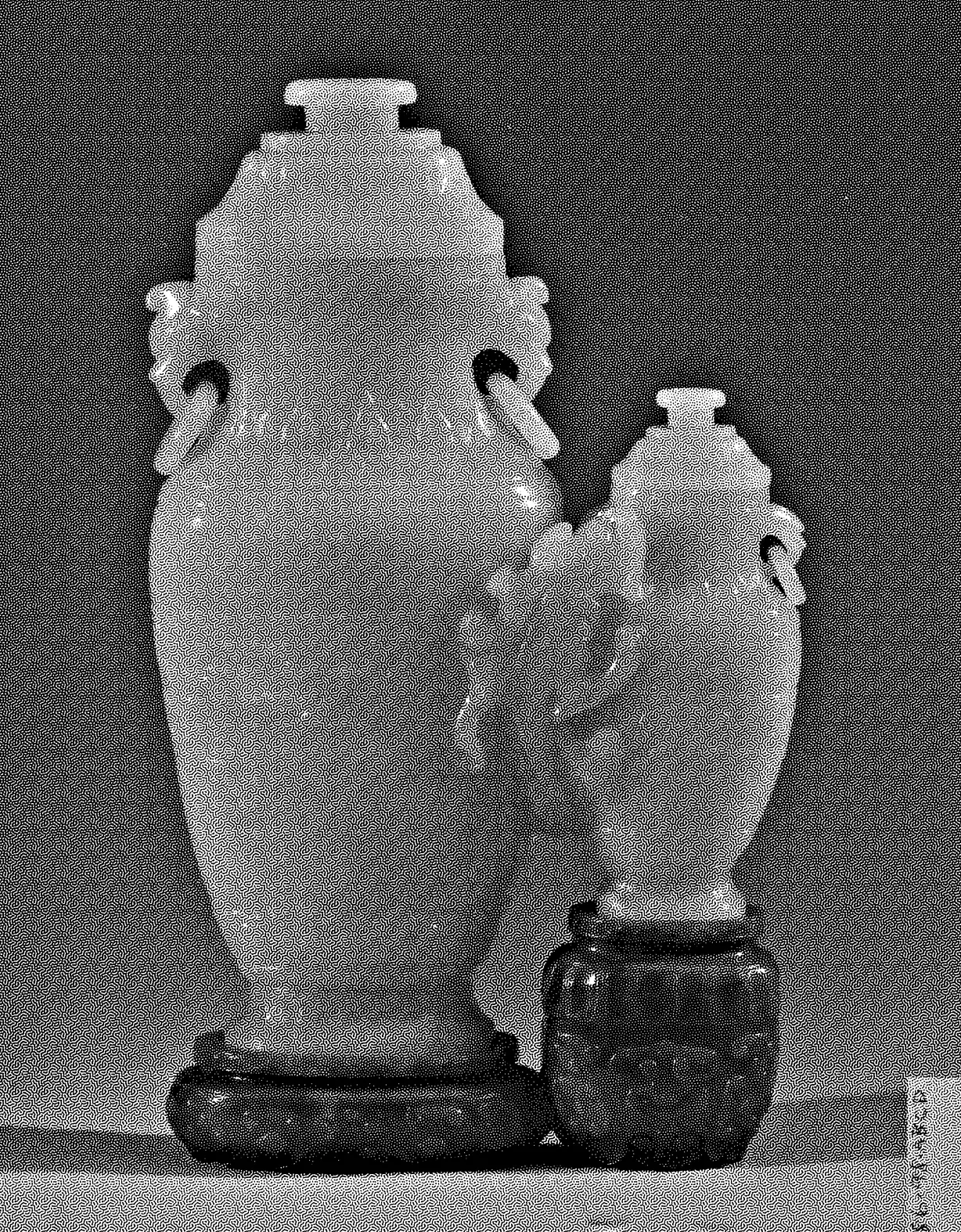
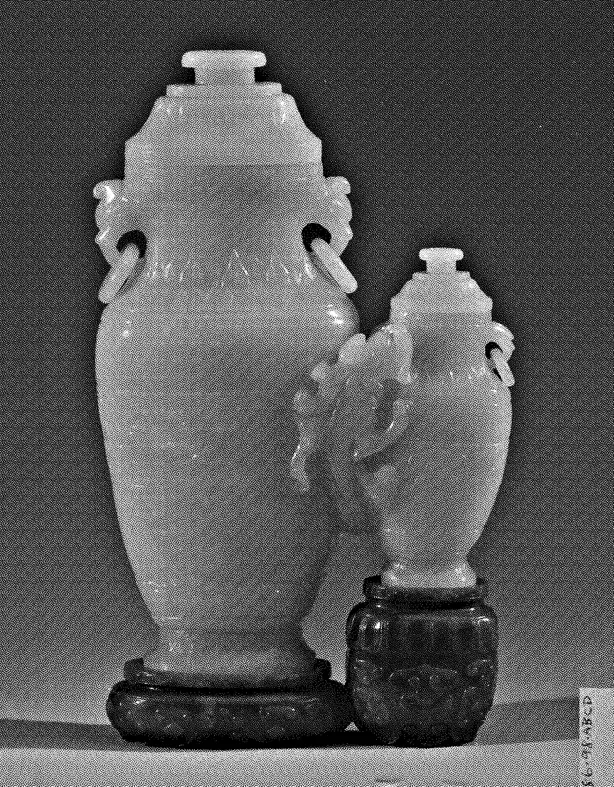
Images: Twin Vases, 19th century. Alfred W. Hoyt Collection, Bequest of Rosina H. Hoppin, 1965. Image available at: Metropolitan Museum of Art