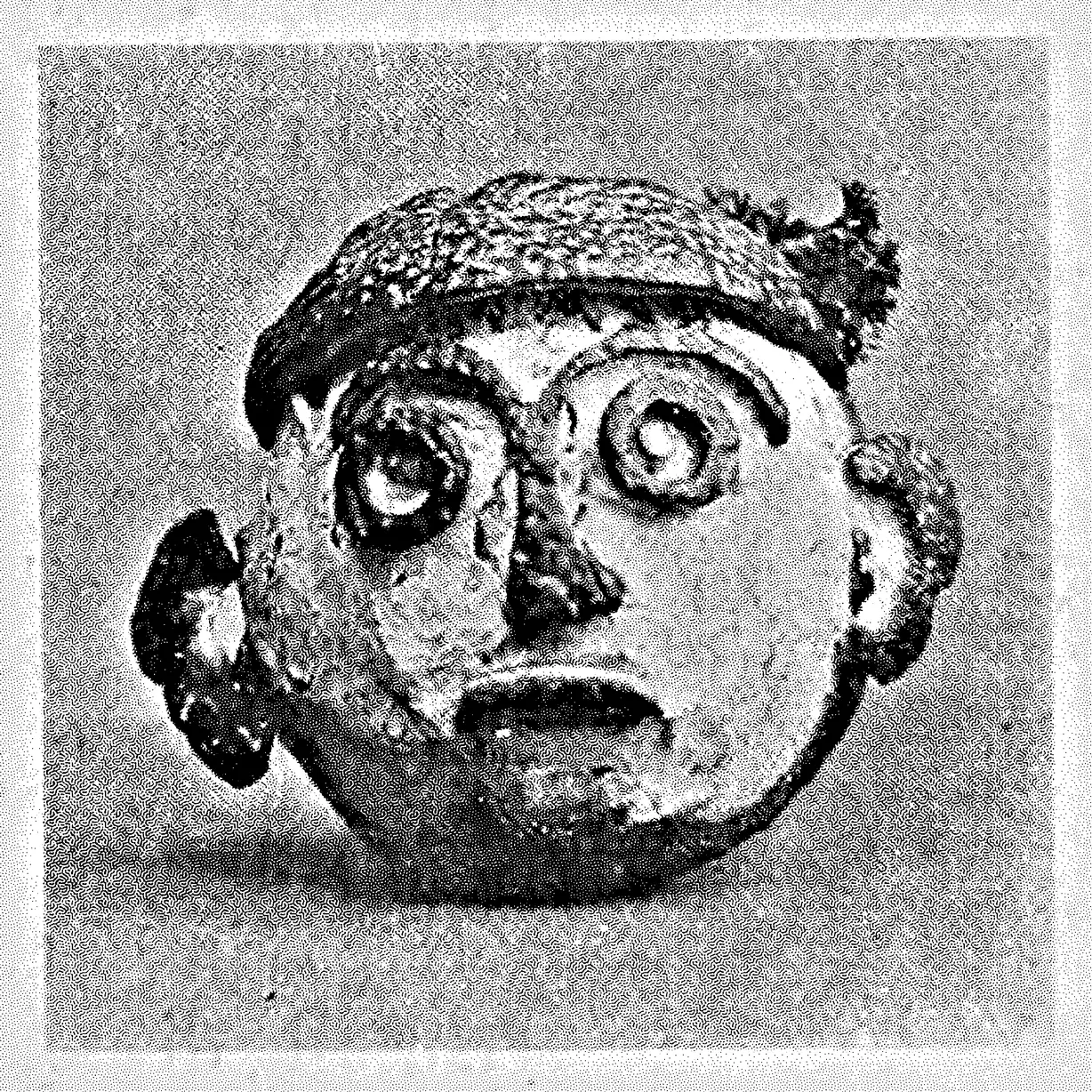
A face is presence. It looks back, even when it does not see. The face is exposure, vulnerability, recognition: it is how we appear to others, how we are held in relation. It is therefore always recognition and exemplification. Individual and collective. Every face is different, and every face is the same: it reveals not only itself, but the generality of its essence. Hence, every face is both singular and plural: this face, and the category of face. To call something a face is to give it agency, to acknowledge that it meets us. To lose face or to save face reveals the fragile, performative nature of this appearance. Therefore, naming a typeface is akin to attributing a paradoxical presence to letters, giving them an identity that is both personal and collective.
A typeface, an interface, the face of a building—all these indicate how we can make things present: face is a principle, the visible form through which some becomes a thing. The face is the plane that mediates between structure and encounter. A face embodies character: the severity of a brutalist façade, the lightness of thin display cut, the friendliness of rounded terminals. The face is also about recognition: we know a style by its face, we choose an object because of the impression it projects. Designers craft faces to be read, not only for function but for expression. The face is what we see, not what we read.
The sound of modulated air exiting our mouth, black ink on paper, an array of light-emitting diodes: There are no words without manifestation. face is short for typeface: the designed form of letters, distinct from font (the file). In letterpress, typeface referred literally to the surface of the metal type that carried the ink. Today, it describes the style itself, independent of medium. Praise of the surface: Designing a typefaces is to operate on the outside (edge). It’s the infinitesimal series of pulling and pushing the plain, thereby shaping the encounter. It is the opposite of shallow.
Ulysses
by
James Joyce
Title: Ulysses
Author: James Joyce
Release Date: July 1, 2003 eBook #4300
Most Recently Updated: February 14, 2025
Language: English
Credits: EBook produced by Col Choat.
Images: A spread from American homes and gardens, 1910, Munn & Co, Inc. Public domain. Internet Archive