A vector is the ferryman. It takes us from A to B, from here to there. Transcendence may be a loaded term. But one does not necessarily need to use spiritual vocabulary to describe this hyperbolic experience. Ultimately it is the name given to a transition: go across. Every transition requires leaving something behind. A departure that cannot be conceived merely as a gesture of (even temporary) absence, but above all in the intended direction of this departure. That which moves away does not necessarily return (and where it does return, it does so as something else). This inevitably raises the question of time: when does this departure take place? And when has presence evaporated in favour of absence? Already with the emergence of even a possible intention? In this respect, arrival as a point in time and location always already extends into departure. A vector is direction and therefore will. But this will can only unfold against the backdrop of its operational possibilities. That is why a vector in geometry does not describe a fixed starting point, but just direction and distance. Go across. Do not go from A to B. And yet it overshoots its target.
In design, too, we move within a field of (often constantly changing) intentionality. Intention is a guiding principle of design. It runs through all techniques and areas of application, even if they are only present as distinct values. What are we designing for and why? It is a common misconception that we must be aware of ourselves in the process. As in geometry, this intentionality does not require a starting point, it is given, not by nature neither implicit but by design.
Since the advent of computer-aided work, type design can be considered the supreme discipline of vector design. Letterforms are stored as vectors, not as pixel images. A letter consists of mathematically described lines and curves, not of many small dots. The typeface designer tirelessly defines vectors, and even the smallest changes to them have an impact on the overall appearance like nowhere else. If we consider vectors in a broader sense, however, it is clear that this discipline already had an inherent vector logic before the introduction of computers and that this logic has been perfected in the computer age. Whether vectors, pixels or colour on paper or parchment: the line is intentional. And it is this intentionality of the curves that reveals the work.
Paradise Lost
by John Milton
Title: Paradise Lost
Author: John Milton
Release Date: February 1, 1992 eBook #26
Most Recently Updated: March 13, 2025
Language: English
Credits: Dr. Joseph Raben
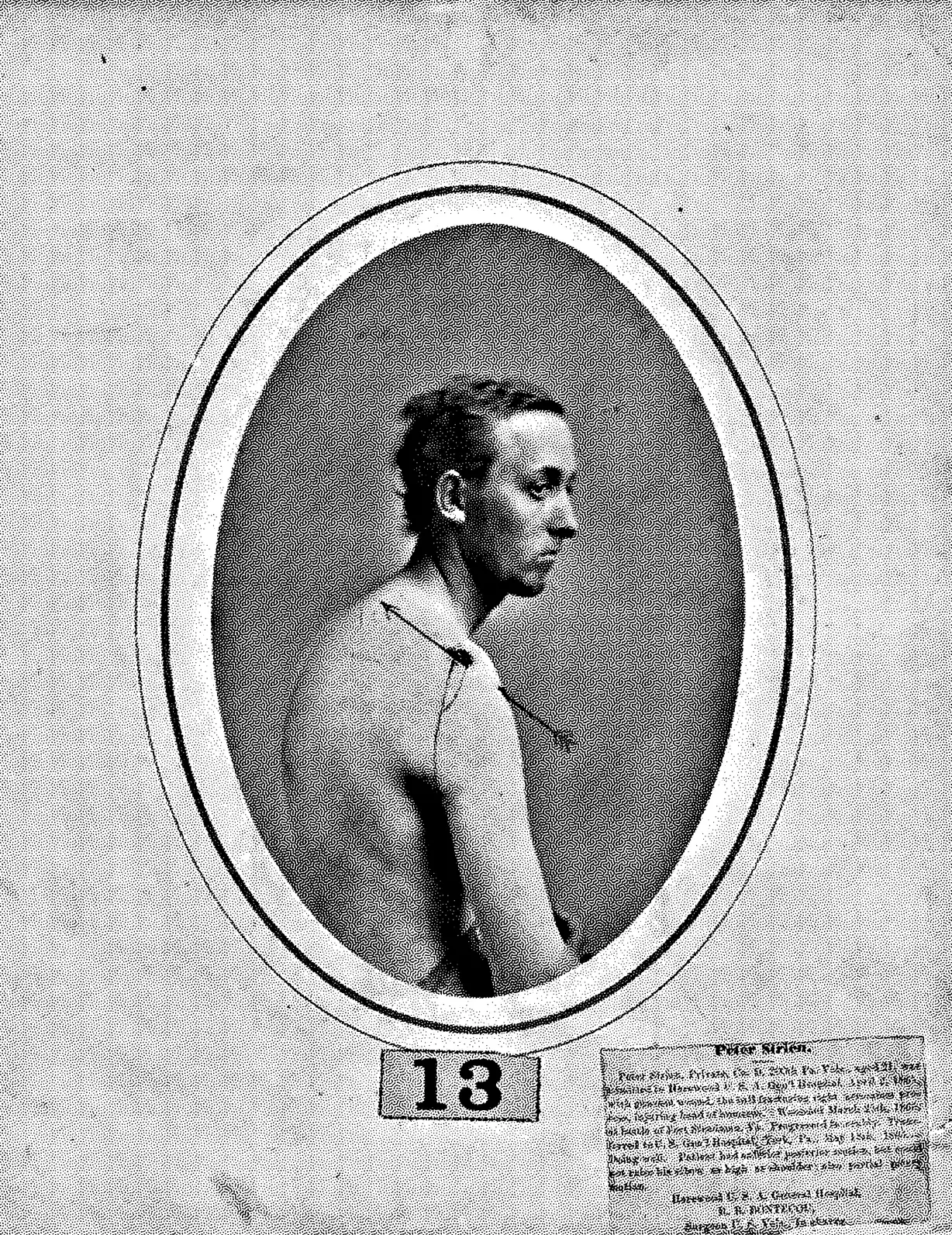
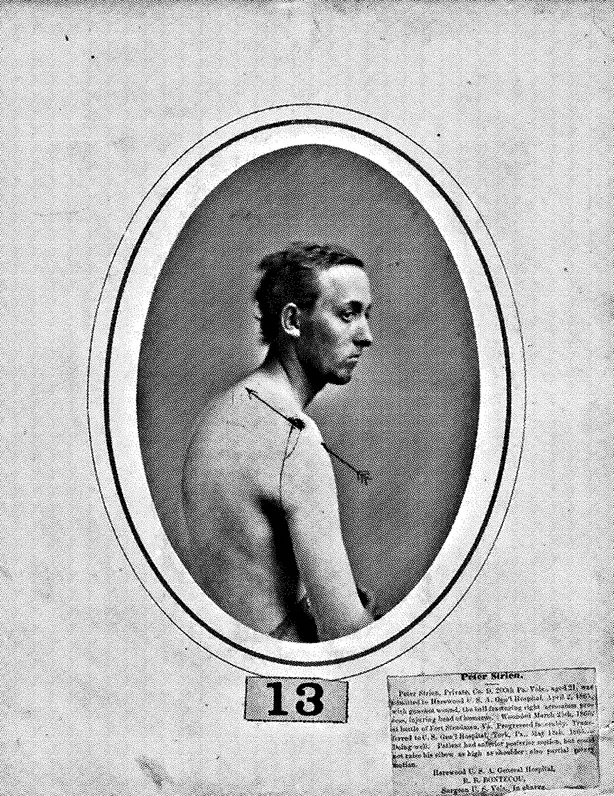
Images: Reed Bontecou, Peter Strien, a 21-year-old private, wounded March 25th, 1865, at the battle of Fort Steadman, 1865. Public Domain. Public Domain Image Archive