Quoting is a technique of remembering. When we quote, we conjure up the past. We bring a text or an image from another time and place into a new environment. Remembering is a transformative process: what we remember is altered by adding, omitting or rewriting.
The house is now red.
My friend always wanted to be a vet.
Or a dentist? Forgetting is not only a subtraction, but creative through selection.
When quoting, words do not necessarily have to change, and yet most things do alter. Typeface, layout, screen, print technology, paper, context, means of distribution. Quoting always raises the question of origin and our relationship to it. What is it that we change when we quote? The original or merely a template? Traces? And who is to say that our sense of things, our emotions and feelings, are nothing but an unwitting attempt to quote the stories and songs that have moved us?
Quoting is a genuinely creative practice. Something has always been there before. We create in its stead and carry it forward. On quiet soles we walk, torchbearers with the blowpipe tucked behind the ear, moving through the forest in search of our prey.
Now, who’s afraid of quotation marks? Straight marks, curly marks, make it single, make it double, mille milliards de guillemets mal embobinés ! German use (Anführungszeichen senken sich wie ein Grundruf in den Text, ein erstes Öffnen, in dem das Wort aus seiner Verborgenheit hervortritt, während ihr abschließendes Heben zurückweist in die Lichtung des Denkens, wo das Gesagte erst als solches zu zu stehen beginnt.)
Sappho: A New Rendering
by Sappho
Title: Sappho: A New Rendering
Author: Sappho
Release Date: April 15, 2013 eBook #42543
Most Recently Updated: October 23, 2024
Language: English
Credits: Produced by Heather Strickland & Marc D’Hooghe (Images generously made available by the Internet Archive - University of Toronto-Robarts)
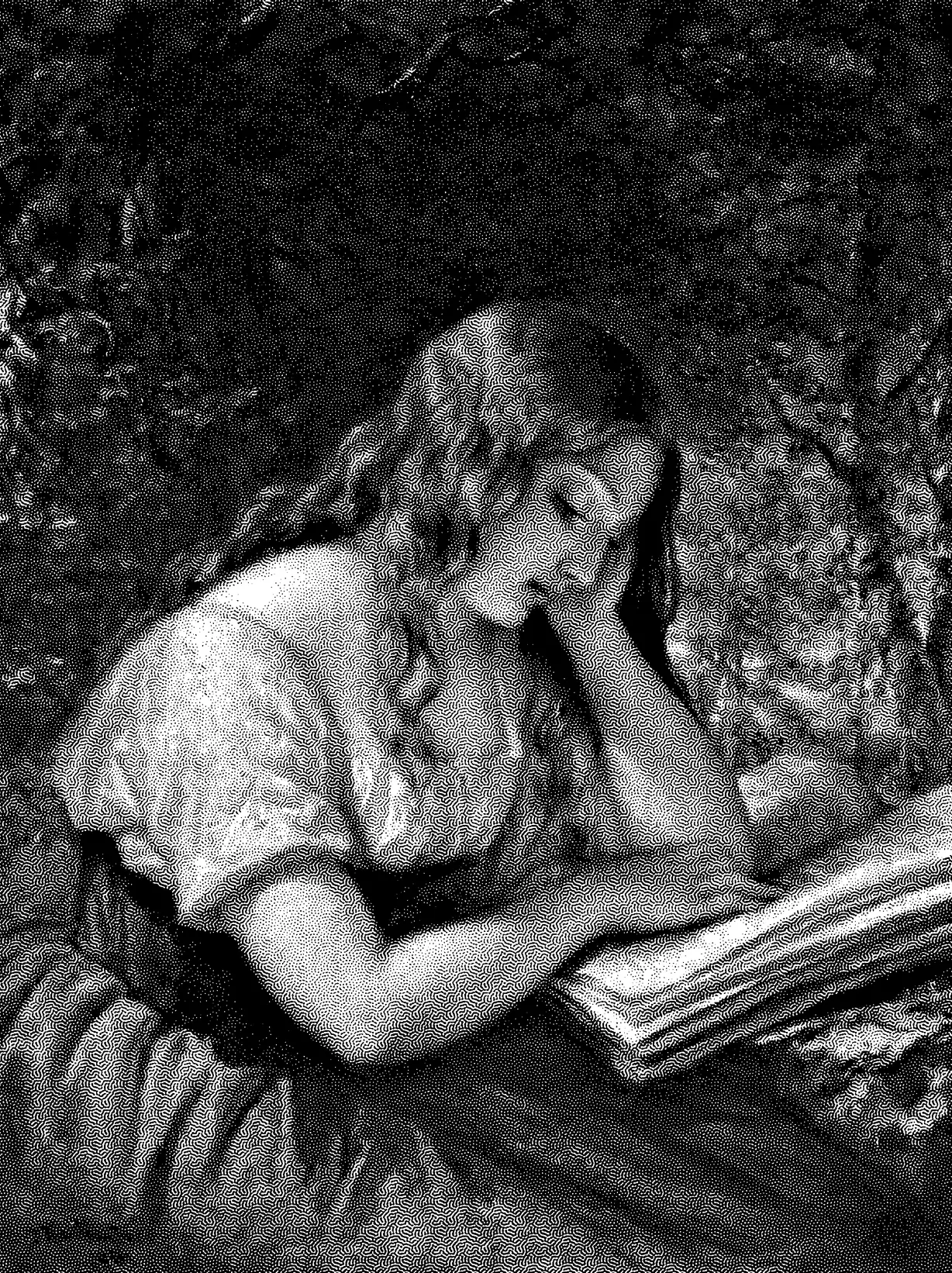
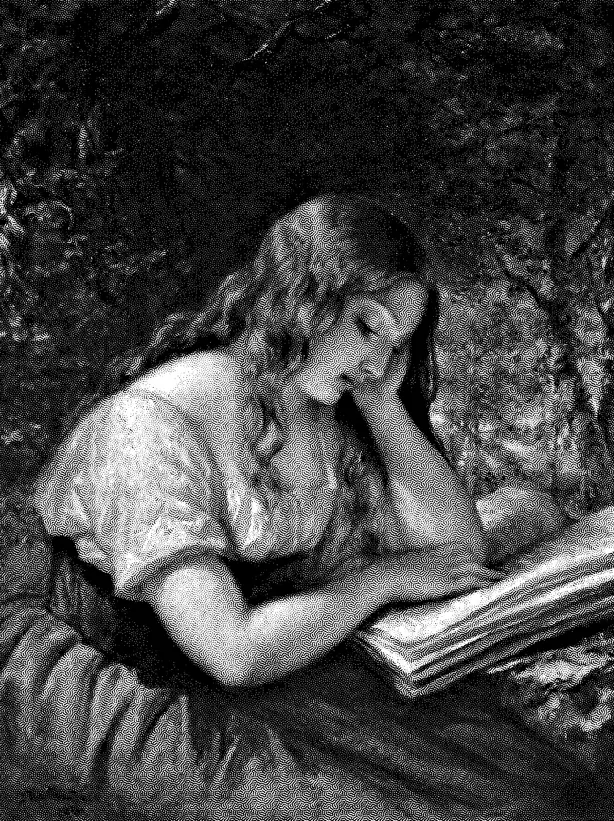
Images: Daniel Huntington, Study in a Wood, 1861. Bequest of Collis P. Huntington, 1900. Image available at: Metropolitan Museum of Art